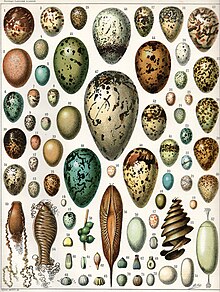
 An egg is an organic vessel grown by an animal to carry a possibly fertilized egg cell – a zygote. Within the vessel, an embryo is incubated until it has become an animal fetus that can survive on its own, at which point the animal hatches.
 Eggs provide many vitamins, antioxidants, and protein. But they're also high in cholesterol, so the number of eggs that are okay to have can depend on your health. The yolk in eggs can...